Youth on Repeat: How My 10-Minute Movement Fix Fights Aging Every Day
Aging isn’t just about years—it’s about how your body moves, recovers, and feels daily. I used to think anti-aging meant creams or supplements, but I’ve realized movement is the real game-changer. After testing simple, science-backed routines, I noticed my energy lifted, my joints felt freer, and my skin even looked brighter. This isn’t magic—it’s motion. In this article, I’ll share how a fast, sustainable exercise plan can slow aging signs from the inside out, without extreme workouts or gimmicks.
The Aging Myth We All Believe
Most people view aging as a number on a birthday card or a reflection in the mirror showing fine lines and silver strands. But the truth is far more complex—and far more within our control. Biological aging, the real driver of how we feel and function, happens silently beneath the surface. It’s measured not in candles on a cake, but in the health of our cells, the flexibility of our tissues, and the resilience of our systems. While chronological age marches forward without pause, biological age can be influenced by daily choices—especially how much, or how little, we move.
Scientific research now confirms that sedentary behavior accelerates cellular aging. One key indicator is telomere length—protective caps on the ends of our chromosomes that shorten with each cell division. Shorter telomeres are linked to age-related decline and chronic disease. However, studies show that individuals who engage in regular physical activity tend to have longer telomeres, suggesting their cells age more slowly. This isn’t about turning back time, but about giving your body the tools to maintain itself more effectively.
Another silent sign of aging is declining mitochondrial function. Mitochondria are the energy powerhouses of our cells, and as we grow older, they become less efficient—leading to fatigue, slower recovery, and reduced stamina. But movement, even in small doses, has been shown to stimulate mitochondrial biogenesis, the process by which new mitochondria are formed. This means that consistent physical activity doesn’t just improve how you look; it revitalizes your internal engine.
Joint stiffness and muscle loss—often accepted as inevitable—are also modifiable. After age 30, adults can lose 3% to 5% of muscle mass per decade, a condition known as sarcopenia. Yet this decline is not automatic. It is largely driven by inactivity. The body follows a simple rule: use it or lose it. When movement becomes routine, muscles stay engaged, connective tissues remain pliable, and balance and coordination improve. The myth that aging means slowing down is just that—a myth. The reality is that movement is one of the most powerful tools we have to stay strong, steady, and vibrant.
Why Movement Outsmarts Time
If there were a pill that could boost energy, improve mood, protect heart health, and delay aging, it would be hailed as a medical breakthrough. Yet that pill already exists—in the form of daily movement. Physical activity is one of the few interventions proven to influence multiple systems in the body simultaneously. It’s not just about burning calories or building muscle; it’s about sending beneficial signals to every cell. When you move, your body responds with a cascade of biological improvements that directly counteract the aging process.
One of the most significant benefits is improved circulation. As the heart pumps more efficiently during movement, oxygen and nutrients are delivered faster to tissues, while waste products like lactic acid and inflammatory markers are cleared more effectively. This enhanced blood flow supports brain health, skin vitality, and organ function. Over time, consistent movement helps maintain the elasticity of blood vessels, reducing the risk of hypertension and supporting long-term cardiovascular wellness.
Exercise also plays a crucial role in hormone regulation. As we age, levels of key hormones like growth hormone, testosterone, and estrogen naturally decline. These changes can affect energy, muscle mass, and emotional well-being. However, physical activity—especially strength and resistance training—has been shown to stimulate the natural production of these hormones. Even brief, intense movements can trigger a beneficial hormonal response, helping the body maintain a more youthful balance without artificial intervention.
Inflammation is another silent driver of aging, often referred to as “inflammaging.” Chronic low-grade inflammation is linked to arthritis, cognitive decline, and metabolic disorders. But movement acts as a natural anti-inflammatory. Studies show that regular physical activity reduces levels of C-reactive protein and other inflammatory markers. The mechanism is simple: muscle contractions release myokines, signaling molecules that help regulate immune function and reduce systemic inflammation. This means that every time you move, you’re not just working your muscles—you’re calming your immune system.
Finally, movement supports brain health. As we age, cognitive decline becomes a growing concern. But research consistently shows that individuals who stay physically active have better memory, sharper focus, and a lower risk of neurodegenerative diseases. This is partly due to increased blood flow to the brain, but also because exercise stimulates the production of brain-derived neurotrophic factor (BDNF), a protein that supports the growth and survival of neurons. In essence, movement builds a more resilient brain—one that can adapt and thrive with age.
The 10-Minute Daily Reset (My Go-To Routine)
You don’t need hours at the gym to make a difference. In fact, research suggests that short, frequent bursts of movement may be more effective for long-term health than infrequent, prolonged workouts. The key is consistency and intention. The 10-minute daily reset is a science-aligned routine designed to activate multiple systems—mobility, strength, balance, and circulation—in a time-efficient way. It requires no equipment, fits into any schedule, and can be done at home, in the office, or even during commercial breaks on TV.
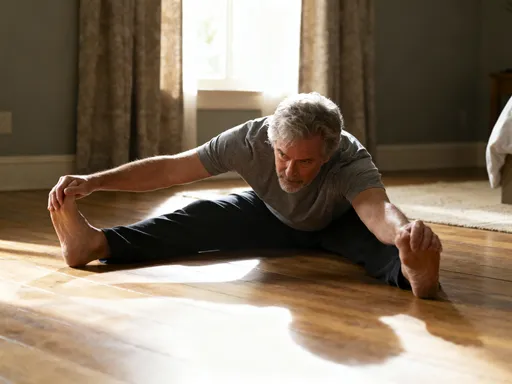
The routine begins with three minutes of dynamic stretching. Unlike static stretching, which involves holding a position, dynamic movements prepare the body for activity by increasing blood flow and joint mobility. Start with arm circles—30 seconds forward, 30 seconds backward—to loosen the shoulders and upper back. Then move to leg swings, holding onto a chair for balance: 15 swings per leg, front to back, to warm up the hips and hamstrings. Finish with torso twists: stand with feet shoulder-width apart and gently rotate the upper body side to side, allowing the arms to swing naturally. This sequence primes the body for movement and reduces stiffness.
Next, spend four minutes on bodyweight strength exercises. Begin with bodyweight squats—10 to 15 repetitions. Focus on form: keep the chest up, knees aligned with toes, and lower as if sitting into a chair. This movement strengthens the glutes, quads, and core while supporting joint health. Follow with wall push-ups—10 to 12 reps. Stand at arm’s length from a wall, place hands on it at shoulder height, and perform controlled push-ups. This builds upper body strength safely and effectively. Finish with a 30-second plank: hold a straight-body position on your forearms and toes (or knees, if needed), engaging the core throughout. These exercises preserve muscle mass, which is essential for metabolic health and functional independence as we age.
The final three minutes focus on balance and posture. Stand on one foot for 30 seconds, then switch—repeat twice per side. This simple act challenges the stabilizing muscles and improves proprioception, reducing fall risk. Then perform a posture reset: stand against a wall with your head, shoulders, and heels touching it. Take five deep breaths, focusing on aligning the spine and relaxing the neck. Finish with a gentle neck roll and shoulder shrug to release tension. This closing sequence enhances body awareness and combats the effects of prolonged sitting.
The beauty of this routine is its adaptability. If 10 minutes feels too long at first, start with five. If you’re short on time, split it into two five-minute sessions. The goal isn’t perfection—it’s consistency. Over time, this small daily investment adds up to significant improvements in strength, mobility, and energy.
Small Shifts, Big Signals to Your Body
While structured exercise is valuable, the real secret to slowing aging lies in how you move throughout the day. The body responds not just to dedicated workouts, but to the sum of all movement—or lack thereof. Prolonged sitting, even for those who exercise, has been linked to increased risk of metabolic disorders, poor circulation, and accelerated aging. The solution isn’t more gym time, but more frequent movement. This is where the concept of “movement snacking” comes in—a term used to describe brief, intentional bursts of activity scattered throughout the day.
Imagine your body as a machine that thrives on regular use. When it sits idle for hours, systems slow down: metabolism dips, blood sugar regulation falters, and muscles begin to deactivate. But just a minute or two of movement—standing up, stretching, walking—can reset these systems. Research shows that taking a two-minute walk every hour improves insulin sensitivity, helping the body manage blood sugar more effectively. This is especially important as we age, when metabolic flexibility naturally declines.
Simple habits can make a big difference. Set a timer to stand and stretch every 30 to 60 minutes. Use phone calls as an opportunity to walk around the house or garden. After meals, take a five-minute stroll—this not only aids digestion but also prevents blood sugar spikes. Choose the stairs over the elevator, park farther from the store, or do calf raises while brushing your teeth. These micro-movements may seem insignificant, but they send powerful signals to your body that you are active, engaged, and in motion.
Joint health also benefits from frequent movement. Cartilage, the cushioning material in joints, has no direct blood supply and relies on movement to receive nutrients. When you move, synovial fluid—your body’s natural joint lubricant—is pumped into the cartilage, keeping it nourished and resilient. Without regular motion, this process slows, leading to stiffness and discomfort. By incorporating movement snacks, you keep your joints well-oiled and functional, preserving mobility for years to come.
The cumulative effect of these small shifts is profound. Over time, consistent micro-movements improve circulation, maintain muscle tone, support metabolic health, and enhance mental clarity. They also make longer workouts feel easier, because your body is already primed for activity. Movement snacking isn’t about intensity—it’s about frequency. It’s a gentle, sustainable way to stay aligned with your body’s natural need for motion.
Beyond the Gym: Making Motion a Lifestyle
For many, the word “exercise” brings to mind gyms, sweat, and effort—a chore to be scheduled and endured. But true longevity comes not from occasional intense workouts, but from making movement a natural, enjoyable part of daily life. The goal is not to become an athlete, but to stay active in ways that feel good and fit seamlessly into your routine. When movement is woven into everyday activities, it becomes less of a task and more of a rhythm—a way of living rather than a separate obligation.
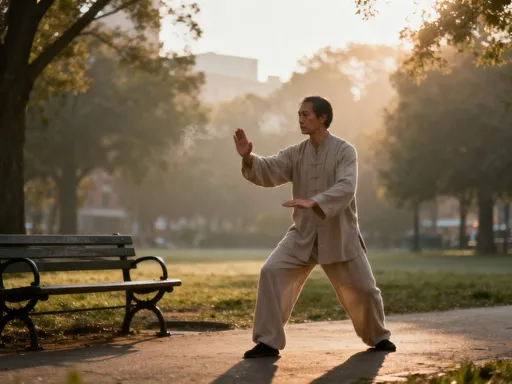
Start by redefining what counts as movement. Walking the dog, gardening, dancing while cooking, playing with grandchildren—these are all valid forms of physical activity. The key is to choose activities you enjoy, so they don’t feel like exercise at all. When you love what you’re doing, consistency comes naturally. For example, if you enjoy music, turn on your favorite playlist and move freely for 10 minutes. If you like being outdoors, take a daily walk in nature, where fresh air and greenery also support mental well-being.
At home, create movement-friendly habits. Keep a yoga mat in the living room for quick stretches. Do seated leg lifts while watching TV. Practice deep breathing and gentle spinal twists during quiet moments. These small actions add up and keep your body engaged without requiring extra time. You can also involve family—invite a spouse or child to join a short movement break, turning it into a shared ritual.
At work, look for opportunities to stay active. If you have a desk job, stand during phone calls or use a standing desk if possible. Take the long route to the restroom or water cooler. If you work from home, set a reminder to do a two-minute stretch every hour. These adjustments reduce sedentary time and keep your body alert and energized throughout the day.
The shift from “exercise as effort” to “movement as lifestyle” is transformative. It removes the pressure of performance and replaces it with the pleasure of motion. When movement becomes a natural expression of daily life, it no longer feels like something you have to do—it becomes something you want to do. And that’s when real, lasting change begins.
Tracking Progress Without Numbers
In a world obsessed with scales, steps, and stats, it’s easy to overlook the most meaningful signs of progress. When it comes to anti-aging, the real victories often can’t be measured with numbers. They’re felt in the way you move through your day—with more ease, confidence, and vitality. Learning to recognize these non-scale victories is essential for staying motivated and appreciating the subtle but powerful changes your body is making.
One of the first improvements many notice is greater ease in daily tasks. You might find it easier to bend down to tie your shoes, get up from a chair without using your hands, or carry groceries up the stairs. These are signs of improved strength, flexibility, and joint function—clear indicators that your body is becoming more resilient. Another common change is better balance. Standing on one foot becomes steadier, walking on uneven surfaces feels more secure, and the fear of falling diminishes. These are not small wins—they’re essential markers of functional independence.
Sleep quality often improves as well. Regular movement helps regulate the body’s circadian rhythm, leading to deeper, more restful sleep. You may notice you fall asleep faster, wake up less during the night, and feel more refreshed in the morning. Better sleep, in turn, supports hormone balance, immune function, and mental clarity—all critical components of healthy aging.
Clothing fit is another subtle but telling sign. Even if the scale hasn’t changed, you might notice your jeans feel looser or your sleeves tighter—evidence that body composition is shifting. Muscle is denser than fat, so as you build lean mass and lose excess fat, your shape changes in ways that numbers alone can’t capture. Skin may also appear brighter and more radiant, thanks to improved circulation and reduced inflammation.
Emotional well-being is another important indicator. Many report feeling more confident, less anxious, and more in tune with their bodies. Movement releases endorphins, the body’s natural mood boosters, and provides a sense of accomplishment. These emotional shifts are just as valuable as physical ones—and often more motivating in the long run.
Safety, Science, and Staying Realistic
While movement is one of the most powerful tools for healthy aging, it’s important to approach it with care and realism. The goal is not to push limits or achieve perfection, but to build a sustainable practice that supports long-term well-being. Everyone’s body is different, and what works for one person may not be suitable for another. Listening to your body is essential—pay attention to pain, fatigue, or discomfort, and adjust accordingly.
If you have existing health conditions—such as arthritis, heart disease, or osteoporosis—it’s wise to consult a healthcare provider before starting a new routine. They can offer personalized guidance and help you modify exercises to ensure safety. For example, someone with joint issues might focus on low-impact movements like seated stretches or water-based exercises. Someone with balance concerns might use a chair for support during standing exercises.
Progress should be gradual. If you’re new to movement, start with just a few minutes a day and slowly increase duration and intensity. Celebrate small milestones—completing your first full 10-minute routine, holding a plank for 20 seconds, or remembering to take movement breaks. These steps build confidence and create lasting habits.
Remember, movement is not a cure-all. It works best as part of a holistic approach to health that includes balanced nutrition, quality sleep, stress management, and regular medical check-ups. It won’t stop aging—but it can help you age with strength, grace, and vitality. The aim is not to look younger, but to feel younger—to maintain the ability to do the things you love, for as long as possible.
Move Now, Age Later
Aging gracefully isn’t about stopping time—it’s about moving with it. By making small, smart movements a daily rhythm, you invest in how you’ll feel years from now. This plan isn’t flashy, but it’s proven, personal, and powerful. Start today, not perfectly—just persistently.