How I Found Calm Through Acupuncture and Simple Mind Techniques
Stress used to hit me like a truck—until I tried acupuncture and mindful routines that actually worked. It wasn’t magic, just science-backed practices helping me reset mentally. I’m not a doctor, but after months of real-life testing, I noticed real shifts in my mood and focus. This isn’t about curing anything—it’s about balance. Let me share what helped me, always with the reminder: talk to a professional before trying anything new. Small steps, big impact.
The Hidden Link Between Body and Mind
For centuries, traditional healing systems have operated on the understanding that the body and mind are not separate entities, but deeply interconnected parts of a single system. One of the most enduring frameworks for this holistic view comes from traditional Chinese medicine, where physical discomfort and emotional imbalance are seen as signs of disrupted energy flow, often referred to as qi (pronounced “chee”). According to this perspective, when qi moves freely through the body’s meridians—pathways similar to how blood flows through vessels—health is maintained. When blockages or imbalances occur, both physical symptoms and emotional disturbances can arise. Acupuncture, one of the core practices of this tradition, aims to restore smooth energy flow by stimulating specific points on the body with fine, sterile needles.
While the concept of qi may sound abstract to some, modern science has begun to uncover physiological mechanisms that align with these ancient observations. Research suggests that acupuncture may influence the autonomic nervous system, which governs involuntary functions like heart rate, digestion, and stress response. In particular, studies have shown that acupuncture can help shift the body from a sympathetic-dominant state—commonly known as “fight or flight”—to a parasympathetic state, often described as “rest and digest.” This shift is crucial for individuals experiencing chronic stress, anxiety, or difficulty sleeping. By calming the nervous system, acupuncture may reduce levels of cortisol, the primary stress hormone, and support a greater sense of mental clarity and emotional stability.
It is important to emphasize that acupuncture is not a cure-all. It does not replace medical diagnosis or treatment for mental health conditions such as clinical anxiety or depression. Instead, it functions best as a complementary approach—one that supports overall well-being alongside conventional care. Many healthcare providers now recognize its value in integrative medicine, particularly for patients seeking non-pharmaceutical ways to manage stress-related symptoms. The growing body of evidence, while still evolving, underscores the legitimacy of viewing health through a mind-body lens. When physical treatments like acupuncture are paired with intentional mental practices, the potential for lasting change increases significantly.
My First Acupuncture Experience: Doubt, Then Relief
I walked into my first acupuncture session with more skepticism than hope. I had read about it, heard friends mention it in passing, but the idea of lying still while tiny needles were placed in my skin felt foreign, even slightly intimidating. The clinic was quiet, softly lit, with a calm that seemed to settle over me the moment I stepped inside. My practitioner, a licensed acupuncturist with years of experience, took time to ask about my sleep patterns, energy levels, and stress. I admitted that I often felt mentally foggy by mid-afternoon, struggled to unwind at night, and carried tension in my shoulders like a second set of muscles.
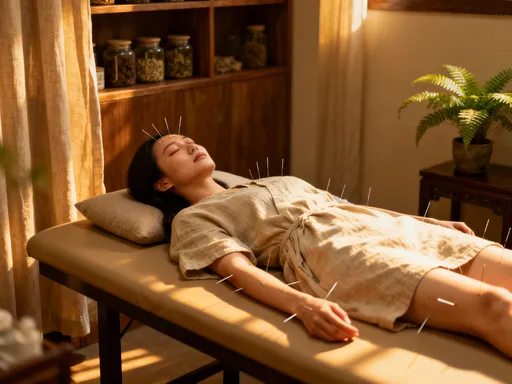
After a brief consultation, I was guided to lie on a padded table. The needles, when inserted, were so fine I barely felt them—just a slight pinch or a faint tingling sensation at certain points. I expected discomfort, but instead, a deep sense of relaxation washed over me within minutes. My breathing slowed. My thoughts, usually racing from task to task, began to quiet. For the first time in months, I wasn’t mentally planning my next move or replaying past conversations. I was simply present. When the session ended, I didn’t feel euphoric, but I did feel different—lighter, more centered, as if a subtle internal reset had occurred.
Over the following weeks, I returned for regular sessions. The changes were gradual but noticeable. My sleep improved. I woke up feeling more refreshed, not just physically but mentally. I found it easier to focus during the day and less difficult to transition into rest at night. The tightness in my shoulders eased, and with it, a low hum of background anxiety that I hadn’t even fully acknowledged before began to fade. I didn’t expect acupuncture to transform my life overnight, but I did begin to appreciate it as a form of maintenance—like tending to a garden rather than waiting for it to wither before acting. This journey was deeply personal, and I recognize that others may have different experiences. What worked for me may not work the same way for someone else, and that’s okay. The value lies in openness, not expectation.
Why Pushing Through Stress Doesn’t Work
There’s a cultural narrative that equates endurance with strength—that pushing through fatigue, ignoring discomfort, and “powering through” emotional strain are signs of resilience. But the body doesn’t operate like a machine that can be driven indefinitely without maintenance. Chronic stress triggers a sustained release of cortisol and adrenaline, hormones designed for short-term survival responses. When these remain elevated over weeks or months, they can disrupt nearly every system in the body: weakening immune function, impairing memory and concentration, and increasing the risk of cardiovascular issues. The mind bears the burden just as heavily, with persistent stress linked to anxiety, irritability, and a diminished sense of well-being.
One of the most common ways this internal strain manifests is through physical symptoms. Tight shoulders, tension headaches, jaw clenching, and unexplained fatigue are not just inconveniences—they are signals. Like a warning light on a dashboard, they indicate that something is out of balance. Ignoring these signs doesn’t make them disappear; instead, they often intensify, creating a feedback loop where physical discomfort fuels mental distress, and vice versa. For many women in their 30s to 50s—juggling careers, family responsibilities, and personal well-being—this cycle can feel inescapable. The expectation to “do it all” often comes at the cost of self-care, leaving little room to pause and listen to the body’s cues.
This is where gentle, non-invasive interventions like acupuncture and mindful body awareness can play a crucial role. Rather than adding another demand to an already full schedule, these practices offer a way to interrupt the stress cycle. Acupuncture, by stimulating specific points linked to relaxation and regulation, may help the nervous system recalibrate. Techniques like acupressure—applying gentle pressure to key points with the fingers—can be done at home and offer immediate, subtle relief. The goal is not to eliminate stress entirely—that’s neither possible nor desirable—but to build resilience so that stress doesn’t accumulate to the point of overwhelm. Healing begins not with force, but with awareness and consistent, compassionate action.
Simple Mind-Body Habits That Actually Help
While acupuncture provides structured support, daily habits are what sustain long-term balance. The most effective practices are often the simplest—ones that can be woven into a busy routine without requiring extra time or equipment. Three techniques have made a meaningful difference: diaphragmatic breathing, self-acupressure, and brief body scans. Each works by engaging the body’s natural capacity to relax, primarily through stimulation of the vagus nerve, a key component of the parasympathetic nervous system. When activated, this nerve helps slow the heart rate, lower blood pressure, and quiet mental chatter.
Diaphragmatic breathing, also known as belly breathing, is a foundational practice. To do it, sit or lie comfortably and place one hand on your chest, the other on your abdomen. Inhale slowly through your nose, allowing your belly to rise while keeping your chest relatively still. Exhale gently through your mouth, feeling your abdomen fall. Repeat for three to five minutes. This technique counters the shallow, rapid breathing common during stress and sends a signal to the brain that it’s safe to relax. It can be done at a desk, in the car, or before bed—any moment when tension begins to build.
Self-acupressure involves applying gentle pressure to specific points on the body. One effective point is the Yintang point, located between the eyebrows, often called the “third eye.” Pressing this area with the index finger for one to two minutes can help calm the mind and relieve mental fog. Another is the Neiguan point, found on the inner forearm, about three finger-widths below the wrist crease. This point is widely studied for its role in reducing nausea and anxiety. Applying steady, circular pressure here for a few minutes can ease feelings of emotional discomfort. These points are easy to locate and can be used discreetly throughout the day.
Body scanning is a mindfulness technique that brings attention to physical sensations without judgment. Lie down or sit comfortably and slowly bring your awareness from the top of your head to the tips of your toes. Notice areas of tension, warmth, or numbness—simply observe without trying to change anything. This practice enhances body awareness and helps break the habit of disconnecting from physical signals. Even a two-minute scan can create a pause in a hectic day, offering a moment of grounding. When combined with acupuncture, these habits form a supportive ecosystem—professional care providing deeper reset, daily practices maintaining it.
What Science Says—And What It Doesn’t
The scientific community has increasingly turned its attention to acupuncture, particularly for stress-related conditions. A number of clinical studies have found that acupuncture can lead to measurable reductions in anxiety symptoms and perceived stress levels. Some research indicates that participants who received acupuncture showed lower cortisol levels compared to control groups. Others have reported improvements in sleep quality, mood, and overall quality of life. A 2018 meta-analysis published in the Journal of Acupuncture and Meridian Studies concluded that acupuncture demonstrated a statistically significant effect on anxiety, though the authors noted variability in study quality and called for more rigorous trials.
It’s important to interpret these findings with both optimism and caution. Many studies on acupuncture face limitations—small sample sizes, lack of blinding (since it’s difficult to create a true placebo for needle insertion), and reliance on self-reported outcomes. Additionally, the mechanisms behind acupuncture’s effects are not yet fully understood, though theories involving endorphin release, nervous system modulation, and improved blood flow are supported by preliminary evidence. What the science does suggest is that acupuncture is generally safe when performed by trained professionals and may offer meaningful support for individuals managing stress, especially when used in conjunction with other evidence-based approaches like cognitive behavioral therapy or lifestyle changes.
There is no claim that acupuncture alone can treat clinical mental health disorders. It is not a substitute for medication or psychotherapy when those are needed. Instead, it functions as a complementary tool—one that may enhance the effectiveness of conventional treatments by addressing the physical dimension of emotional distress. The mind-body connection is real, and interventions that honor both aspects are increasingly recognized in integrative medicine. As research continues to evolve, the conversation is shifting from “does it work?” to “for whom, and under what conditions, does it work best?” This nuanced understanding reflects a more mature, balanced view of holistic health.
Finding the Right Practitioner and Staying Safe
One of the most important steps in exploring acupuncture is finding a qualified, licensed practitioner. In many countries, including the United States, acupuncturists must complete accredited training programs and pass national certification exams. When choosing a provider, it’s wise to verify their credentials through official licensing boards or professional associations. Reading patient reviews can offer insight into their approach and bedside manner, but the most valuable step is having an initial conversation. Ask about their experience working with stress, sleep issues, or emotional well-being. A good practitioner will listen carefully, answer questions clearly, and make you feel comfortable and respected.
Safety is paramount. Acupuncture should never be painful—while some sensations like tingling or warmth are normal, sharp or persistent pain is not. Needles used in modern practice are sterile, single-use, and extremely thin, minimizing the risk of infection or injury. Avoid providers who use reusable needles or operate in unclean environments. Never attempt to perform acupuncture on yourself or allow untrained individuals to do so. While acupressure is safe to practice at home, inserting needles requires professional training and knowledge of anatomy.
For those new to acupuncture, starting with one or two trial sessions can help assess comfort and response. Some people notice changes immediately; others require several sessions before benefits become apparent. It’s also essential to inform your primary care provider, especially if you have chronic health conditions, are pregnant, or take medications. Open communication between all members of your healthcare team ensures that your approach is coordinated and safe. Wellness is not about isolated fixes but about creating a supportive, informed journey.
Putting It All Together: A Balanced Approach
The path to greater calm is rarely linear, and what works for one person may not work for another. For me, the combination of acupuncture and simple mind-body practices created a foundation I hadn’t found through willpower alone. It wasn’t about dramatic changes, but about small, consistent choices—showing up for a session, pausing to breathe, noticing tension before it became pain. These actions, repeated over time, built resilience in a way that felt sustainable and kind.
Wellness is not a destination, but a practice—one that requires patience, self-compassion, and a willingness to experiment. Acupuncture offered a structured way to reset my nervous system, while daily habits like breathing and body awareness helped me stay connected to my body’s signals. Together, they formed a balanced approach that honored both physical and emotional needs. This is not about rejecting conventional medicine, but about expanding the toolkit—using all available, safe, and evidence-informed options to support well-being.
If you’re feeling overwhelmed, know that you don’t have to “power through.” Small steps matter. Seeking support is a sign of strength, not weakness. Whether it’s scheduling a consultation with a licensed acupuncturist, trying a five-minute breathing exercise, or simply pausing to notice how your body feels, each choice moves you toward greater balance. Healing is not about perfection, but about presence. And sometimes, the most powerful thing we can do is to stop, listen, and respond—with care.