How I Tamed My Blood Pressure with Real Food Changes — No Gimmicks, Just Science
High blood pressure affects millions, often without symptoms, yet it quietly strains the heart and vessels. I learned this the hard way. After my doctor’s warning, I dove into research and discovered how powerful diet can be. This isn’t about extreme rules or miracle cures — it’s about consistent, science-backed eating habits that truly work. Let me walk you through what changed for me, and how it could help you too.
The Silent Threat: Understanding Hypertension in Everyday Life
Imagine a garden hose with water rushing through at too high a pressure. Over time, the walls of the hose weaken, bulge, or even burst. That’s what high blood pressure — or hypertension — does inside the body. Blood pushes against the walls of arteries with more force than is healthy, gradually damaging the delicate tissues. Because it rarely causes noticeable symptoms, many people live with hypertension for years without knowing it. This is why it’s often called the “silent killer.” You might feel perfectly fine while your heart and blood vessels endure ongoing stress.
According to the World Health Organization, an estimated 1.28 billion adults worldwide live with hypertension, most of them in low- and middle-income countries. In the United States, the Centers for Disease Control and Prevention reports that nearly half of all adults have high blood pressure. Despite its prevalence, awareness remains alarmingly low. Only about one in four adults with hypertension have it under control. This gap between diagnosis and management poses a serious public health challenge, as uncontrolled hypertension significantly increases the risk of life-altering conditions.
The long-term consequences of untreated high blood pressure are well documented. It is a leading contributor to heart disease, the number one cause of death globally. It also greatly increases the risk of stroke, kidney disease, and vision loss. The heart, forced to pump harder against increased resistance, can thicken and weaken over time, eventually leading to heart failure. Meanwhile, damaged arteries become more prone to plaque buildup, raising the likelihood of blockages that can trigger heart attacks or strokes. The good news? Hypertension is largely preventable and manageable — and one of the most powerful tools we have is right on our plates.
Why Diet Matters More Than You Think
It’s easy to assume that blood pressure is controlled only by medication or genetics, but what you eat plays a central role. Food directly influences the body’s fluid balance, blood vessel flexibility, and overall cardiovascular function. Sodium, for example, pulls water into the bloodstream, increasing blood volume and, consequently, pressure. Potassium, on the other hand, helps the body get rid of excess sodium and eases tension in blood vessel walls. When these two minerals are out of balance — typically too much sodium and too little potassium — blood pressure rises.
Another key player is the endothelium, the thin layer of cells lining the inside of blood vessels. These cells help regulate blood flow and pressure by releasing substances that either constrict or relax the vessels. A diet high in processed foods, saturated fats, and added sugars can impair endothelial function, making it harder for arteries to expand and contract as needed. Chronic inflammation, often fueled by poor dietary choices, further damages these cells and contributes to stiffening of the arteries — a major factor in rising blood pressure.
Research consistently shows that dietary changes can lower blood pressure as effectively as some medications. The landmark DASH diet — Dietary Approaches to Stop Hypertension — was developed specifically to address this issue. In clinical trials, participants who followed the DASH eating plan reduced their systolic blood pressure by an average of 11 mm Hg, comparable to the effect of single-drug therapy. The PREMIER trial reinforced these findings, showing that combining the DASH diet with lifestyle counseling led to even greater reductions. These studies prove that food is not just fuel — it’s medicine.
That said, diet is not a replacement for prescribed treatment. For many, medication is essential, especially when blood pressure is significantly elevated. But nutrition works synergistically with medical care. By improving your diet, you may reduce the dosage of medication needed, minimize side effects, and enhance overall heart health. The goal is not to choose between food and medicine, but to use both as partners in protecting your long-term well-being.
Breaking Down the Blood Pressure-Friendly Plate
Building a diet that supports healthy blood pressure doesn’t require exotic ingredients or complicated rules. The most effective eating patterns are built on simple, whole foods that nature provides. At the center of this approach are vegetables, fruits, whole grains, lean proteins, and low-fat dairy. These foods are naturally rich in nutrients that the cardiovascular system needs to function properly. They are also low in the substances that harm it — namely, sodium, added sugars, and unhealthy fats.
Potassium is one of the most important nutrients for blood pressure control. It acts as a natural counterbalance to sodium, helping the kidneys excrete excess salt and reducing tension in blood vessel walls. Foods high in potassium include bananas, oranges, spinach, sweet potatoes, tomatoes, beans, and avocados. Incorporating a variety of these into daily meals can make a measurable difference. For example, a baked sweet potato provides more than 500 milligrams of potassium, while a cup of cooked spinach offers over 800 milligrams — both excellent additions to a heart-healthy diet.
Fiber is another critical component. Soluble fiber, found in oats, beans, apples, and flaxseeds, helps lower LDL cholesterol — the “bad” kind — which in turn supports better circulation and reduced strain on the heart. Whole grains like brown rice, quinoa, and whole wheat bread are rich in fiber and have been linked to lower blood pressure in multiple studies. Unlike refined grains, which spike blood sugar and contribute to inflammation, whole grains provide steady energy and essential nutrients without the metabolic downsides.
Equally important is what you leave out. Processed and restaurant meals are major sources of hidden sodium. A single serving of canned soup can contain more than 800 milligrams of sodium — over a third of the daily recommended limit. Deli meats, frozen dinners, and snack foods are also notoriously high in salt. Learning to read nutrition labels and choosing low-sodium or no-salt-added versions of common staples can dramatically reduce your intake. Cooking at home gives you full control over ingredients, making it easier to avoid excess salt without sacrificing flavor.
My Daily Eating Routine That Made a Difference
When I first decided to make changes, I didn’t overhaul my entire diet overnight. That kind of drastic shift rarely lasts. Instead, I focused on building one healthy meal at a time. My day now starts with a bowl of steel-cut oats cooked in water, topped with fresh blueberries, a sprinkle of chia seeds, and a dash of cinnamon. This breakfast is rich in soluble fiber, antioxidants, and potassium — all of which support stable blood pressure. I’ve replaced sugary cereals and pastries with this simple, satisfying option, and I’ve noticed I feel more energized and less sluggish in the mornings.
Lunch is usually a large salad with mixed greens, cucumbers, cherry tomatoes, shredded carrots, chickpeas, and grilled chicken or salmon. I dress it with olive oil and lemon juice or vinegar instead of creamy, high-sodium dressings. Adding beans or lentils boosts fiber and plant-based protein, which helps keep me full without spiking my blood sugar. Sometimes I opt for a quinoa and roasted vegetable bowl, which I can prepare in advance and reheat easily. Meal prepping has been a game-changer, especially on busy days when the temptation to grab fast food is strong.
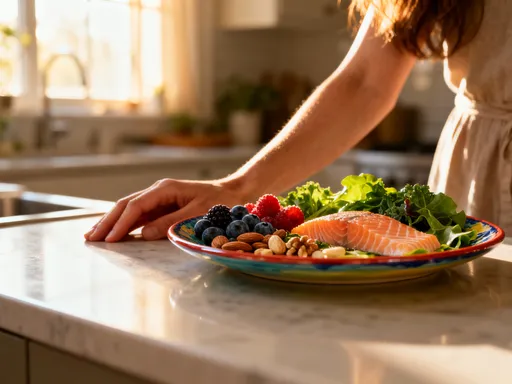
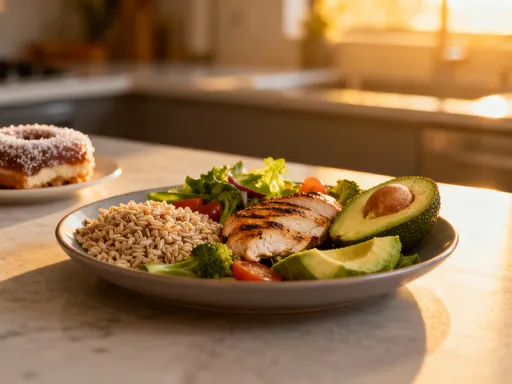
Dinner remains simple and centered around whole foods. Grilled fish, such as salmon or cod, is a regular feature, served with steamed broccoli and a small portion of brown rice or sweet potato. I use herbs and spices — like garlic, rosemary, turmeric, and paprika — to add flavor without salt. On meatless nights, I enjoy stir-fried tofu with bok choy and bell peppers, or a hearty lentil stew. Portion control is important, so I use smaller plates and pay attention to hunger cues, stopping when I’m comfortably full rather than stuffed.
Throughout the day, I’ve made smarter choices in small but meaningful ways. Instead of potato chips, I snack on unsalted almonds or a piece of fruit. I drink water or herbal tea instead of soda or sweetened iced tea. I’ve also become more mindful of eating — slowing down, chewing thoroughly, and avoiding distractions like the TV or phone during meals. These subtle shifts have helped me tune into my body’s needs and build a more sustainable, enjoyable way of eating.
Foods That Work Against You — And Easy Ways to Avoid Them
Some of the biggest contributors to high blood pressure are hiding in plain sight. Canned soups, for instance, are convenient but often loaded with sodium. A single can may contain 1,000 milligrams or more — nearly half the recommended daily limit. Deli meats like ham, turkey, and salami are also surprisingly high in salt, as are many frozen meals marketed as “healthy” options. Even seemingly innocent snacks like pretzels, crackers, and flavored popcorn can pack a sodium punch. The key is to read labels carefully and choose products labeled “low sodium,” “no salt added,” or “unsalted.”
Another hidden danger is added sugar. While sugar doesn’t raise blood pressure directly, it contributes to weight gain, insulin resistance, and inflammation — all of which worsen cardiovascular health. Sugary drinks, including soda, fruit punch, and sweetened coffee beverages, are major sources of empty calories. Studies show that people who consume one or more sugary drinks per day have a higher risk of developing hypertension. Replacing these with water, sparkling water with a splash of fruit juice, or unsweetened herbal tea can make a big difference over time.
Cooking at home is one of the most effective ways to take control. When you prepare your own meals, you decide what goes in them. Simple swaps can enhance flavor without salt: try lemon zest, garlic powder, onion powder, cumin, or fresh herbs like basil and cilantro. Homemade soups, stews, and sauces can be made in large batches and frozen for quick, healthy meals. Batch cooking on weekends saves time and reduces the temptation to rely on processed convenience foods during the week.
Emotional eating can also sabotage progress. Stress, boredom, or fatigue often lead to reaching for comfort foods that are high in salt, sugar, or fat. Instead of ignoring these triggers, it helps to recognize them and find healthier coping strategies. Going for a walk, practicing deep breathing, calling a friend, or journaling can provide relief without compromising your health goals. Over time, these habits become second nature, making it easier to stay on track even during challenging moments.
Putting It All Together: Simple Strategies for Long-Term Success
Changing your diet doesn’t have to be overwhelming. Start small. Pick one meal — maybe breakfast — and focus on improving that first. Once it feels comfortable, move on to the next. This step-by-step approach builds confidence and creates lasting habits. For example, if you currently eat sugary cereal every morning, try switching to plain oatmeal with fruit. After a week or two, that new routine will feel normal, and you’ll be ready to tackle lunch or snacks.
Meal planning and preparation are powerful tools. Take an hour on the weekend to wash and chop vegetables, cook a batch of quinoa or brown rice, and portion out snacks. Having healthy options ready to go makes it easier to resist the urge to order takeout or grab something from the vending machine. Use reusable containers to pack lunches and keep healthy snacks on hand — like sliced apples, baby carrots, or unsalted nuts. These small preparations remove barriers and support consistent choices.
Tracking your progress can also be motivating. Use a home blood pressure monitor to check your numbers regularly and record them in a journal or app. You may start to see improvements within a few weeks, especially when combined with other healthy habits like walking daily or reducing stress. Share your results with your doctor, who can help interpret the changes and adjust your care plan if needed. Regular check-ups ensure that your efforts are supported by professional guidance.
Remember, consistency matters more than perfection. No one eats perfectly every day, and that’s okay. The goal is progress, not flawlessness. If you have a meal out or eat something salty, don’t give up. Just return to your healthy routine at the next meal. Over time, the small choices — choosing water over soda, adding an extra serving of vegetables, skipping the processed snack — add up to meaningful change. Each healthy decision is a step toward better blood pressure and a stronger heart.
Beyond the Plate: Lifestyle Synergy and When to Seek Help
Diet is a cornerstone of blood pressure management, but it doesn’t work in isolation. Physical activity helps the heart pump more efficiently and strengthens blood vessels. Aim for at least 150 minutes of moderate-intensity exercise per week — brisk walking, cycling, or swimming are excellent choices. Even daily movement, like gardening or taking the stairs, contributes to better circulation and lower pressure.
Sleep is another critical factor. Poor sleep quality or untreated sleep apnea can elevate blood pressure. Most adults need 7 to 9 hours of restful sleep per night. Establishing a regular bedtime, limiting screen time before bed, and creating a calm sleep environment can improve sleep hygiene. Managing stress is equally important. Chronic stress keeps the body in a state of heightened alert, which can raise blood pressure over time. Techniques like mindfulness, meditation, yoga, or simply spending time in nature can help calm the nervous system.
Weight and alcohol intake also play significant roles. Carrying excess weight, especially around the abdomen, increases the workload on the heart. Losing even 5 to 10% of body weight can lead to noticeable improvements in blood pressure. Alcohol, when consumed in excess, can raise blood pressure and reduce the effectiveness of medications. If you drink, do so in moderation — up to one drink per day for women and two for men — and consider alcohol-free days to reset your system.
Finally, always work with your healthcare provider. Diet and lifestyle changes are powerful, but they complement medical treatment — they don’t replace it. If you’re on blood pressure medication, don’t stop or adjust your dose without consulting your doctor. Regular monitoring and professional guidance ensure that your approach is safe and effective. With the right support, you can take meaningful control of your health. Every choice you make — from the food on your plate to the way you manage stress — is a step toward a longer, healthier life. And that’s a promise worth keeping.