How I Found Calm Through Chinese Wisdom: My Real Emotion Reset
Have you ever felt overwhelmed by stress, anxiety, or mood swings—and realized your emotions were affecting your body? I did. After years of sleepless nights and constant tension, I turned to Traditional Chinese Medicine (TCM) not for quick fixes, but for deeper balance. What I discovered wasn’t magic, but a powerful connection between body, energy, and emotional health. This is how TCM helped me reclaim my inner peace—naturally, gently, and sustainably.
The Hidden Link Between Emotions and Physical Health
In Traditional Chinese Medicine, emotions are not seen as fleeting mental states but as internal forces that directly influence the body’s organ systems. Unlike Western medicine, which often separates mind and body, TCM views emotional health as inseparable from physical well-being. Each major emotion—anger, joy, worry, sadness, and fear—is associated with a specific organ. For example, anger affects the liver, excessive joy impacts the heart, worry burdens the spleen, sadness weakens the lungs, and fear disturbs the kidneys. This framework does not dismiss emotional experiences but honors them as signals of internal imbalance.
Western medicine has increasingly recognized the role of psychosomatic illness—conditions where emotional stress manifests as physical symptoms. Headaches, digestive disorders, and chronic fatigue are often linked to unmanaged stress. However, Western approaches typically focus on symptom relief through medication or cognitive therapy. TCM, by contrast, seeks to identify the root cause of disharmony by asking not just what is wrong, but why it has arisen. This holistic lens helped me understand that my years of irritability and frustration weren’t just personality traits—they were signs of deeper energetic disruption.
My turning point came when persistent digestive issues and fatigue refused to improve despite multiple doctor visits and dietary changes. I had always considered myself emotionally resilient, yet I noticed a pattern: after stressful weeks, my stomach would tighten, my appetite would drop, and I’d feel mentally foggy. TCM practitioners explained that chronic anger and suppressed frustration were likely impairing my liver’s ability to ensure smooth flow of Qi, which in turn affected digestion—governed by the spleen in TCM theory. This revelation shifted my perspective. Instead of blaming my body for failing me, I began to see it as communicating something vital. The discomfort was not random; it was meaningful. This insight marked the beginning of my journey toward emotional and physical reintegration.
Qi, Blood, and Emotional Flow: The Core of TCM Balance
At the heart of Traditional Chinese Medicine is the concept of Qi—pronounced “chee”—which refers to the vital energy that flows through the body along pathways known as meridians. Qi is not just physical energy; it carries emotional and spiritual qualities as well. When Qi moves smoothly, a person feels balanced, clear-minded, and emotionally stable. When Qi becomes stagnant or blocked, emotional turbulence and physical discomfort follow. Blood, in TCM, is not merely a circulatory fluid but a substance that nourishes both the body and the mind. It anchors the Shen, or spirit, helping us feel grounded and calm.
One of the most common imbalances in modern life is liver Qi stagnation. The liver, in TCM, is responsible for ensuring the free and unobstructed flow of Qi throughout the body. It governs decision-making, planning, and emotional regulation. When life becomes overly demanding—when we suppress emotions, overwork, or live without rhythm—the liver’s function becomes impaired. This stagnation often manifests as irritability, mood swings, frustration, and a feeling of being “stuck.” Physically, it may appear as tight shoulders, menstrual irregularities, headaches, or digestive discomfort.
I first recognized this pattern during a particularly stressful year. I was managing family responsibilities, work deadlines, and personal obligations without taking time to pause. I told myself I was “handling it,” but my body said otherwise. I developed frequent tension in my neck and shoulders, my menstrual cycle became irregular and painful, and I found myself snapping at loved ones over minor issues. A TCM practitioner I consulted explained that these were classic signs of liver Qi stagnation. The emotional suppression I had normalized—pushing down frustration to keep peace—was creating internal congestion. Just as water becomes murky when it doesn’t flow, my energy had become stagnant. The solution wasn’t to push harder, but to allow release: through movement, breath, and honest emotional expression.
Liver Soothing: The Heart of Emotional Regulation in TCM
In Traditional Chinese Medicine, the liver is often called the “general” of the body—a strategic leader that ensures all systems operate in harmony. It governs the smooth flow of Qi, regulates blood storage, and plays a crucial role in emotional resilience. When the liver functions well, a person feels clear-headed, decisive, and emotionally flexible. When it is impaired, even small stressors can trigger disproportionate reactions. The liver’s connection to anger and frustration is not about moral judgment; it reflects the organ’s sensitivity to emotional blockage. Just as a traffic jam slows down an entire city, stagnant liver Qi disrupts the body’s ability to adapt and respond.
Common signs of liver Qi stagnation include irritability, mood swings, premenstrual tension, tightness in the chest or rib cage, frequent sighing, and disrupted sleep. Many women, especially those in their thirties to fifties, experience these symptoms during hormonal transitions or periods of high responsibility. I began to notice how my mood dipped predictably in the late afternoon, accompanied by a clenched jaw and a desire to isolate. My sleep suffered—falling asleep was difficult, and I often woke between 1 and 3 a.m., a time associated with the liver’s active cycle in TCM. These patterns were not random; they were messages from my body asking for attention.
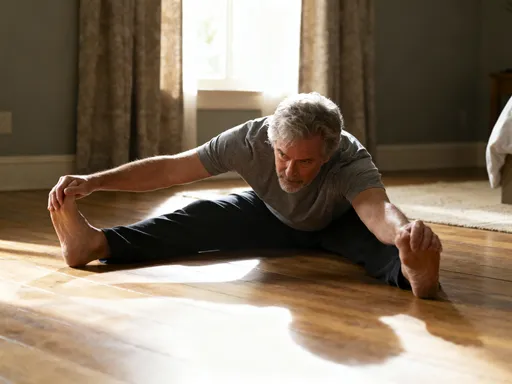
Supporting the liver doesn’t require drastic changes. TCM emphasizes rhythm, gentle movement, and emotional honesty. Establishing a consistent daily routine—waking, eating, and sleeping at regular times—helps the liver maintain balance. Physical activity, especially rhythmic and flowing forms like walking, dancing, or stretching, encourages Qi to move. Equally important is creating space for emotional release. Journaling, talking with a trusted friend, or simply allowing oneself to cry can be powerful ways to unblock stagnant energy. I began taking short walks after dinner, not for exercise, but to let my thoughts flow. Over time, I noticed fewer outbursts, deeper sleep, and a greater sense of emotional fluidity. The liver thrives on flow—and so do we.
Diet as Emotional Medicine: What You Eat Affects How You Feel
In Traditional Chinese Medicine, food is not just fuel—it is medicine that shapes our emotional landscape. The qualities of what we eat—its temperature, texture, and energetic effect—directly influence Qi and blood flow. Cooling foods like raw salads and icy drinks can slow digestion and contribute to stagnation, especially in individuals prone to coldness or fatigue. Warming, cooked foods such as soups, stews, and steamed vegetables support digestion and promote smooth Qi movement. TCM does not advocate rigid diets but encourages awareness of how different foods make us feel.
One of the most impactful changes I made was reducing my intake of processed sugars and caffeine. While these substances provide short-term energy, they create blood sugar spikes and crashes that mimic anxiety and irritability. In TCM terms, sugar is considered damp-producing, which can impair spleen function and lead to mental fogginess and emotional heaviness. Caffeine, while stimulating, can overexcite the heart and liver, leading to restlessness, insomnia, and emotional volatility. I noticed that on days when I drank coffee, I felt jittery and reactive; on days when I switched to warm herbal tea, I remained calmer and more focused.
Simple dietary shifts made a profound difference. I began eating warm, cooked breakfasts like oatmeal with cinnamon or congee with ginger instead of cold cereal or pastries. These meals felt comforting and grounding, supporting my digestive system and stabilizing my mood. I increased my intake of green leafy vegetables—such as bok choy, kale, and spinach—which TCM views as liver-supportive due to their cleansing and moving properties. I also incorporated calming herbal teas like chrysanthemum and mint, which help soothe liver fire and reduce irritability. These changes were not about perfection but about consistency. Over time, my body began to crave nourishing foods, and my emotional reactions became less intense and more manageable.
Movement and Breath: Restoring Energy Flow Naturally
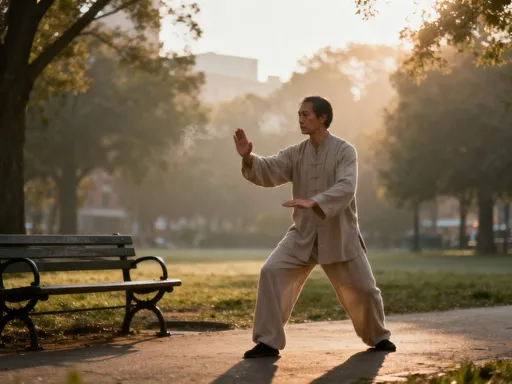
Physical activity in Traditional Chinese Medicine is not about intensity or calorie burning—it is about restoring the natural flow of Qi. Stagnant energy leads to emotional and physical discomfort, while gentle, mindful movement helps release blockages and restore balance. Practices like Tai Chi, Qi Gong, and mindful walking are especially effective because they combine slow, deliberate motions with deep breathing and mental focus. These forms of exercise do not exhaust the body; they nourish it. Even ten minutes a day can initiate lasting changes in energy and mood.
Tai Chi, often described as “meditation in motion,” involves flowing sequences that promote relaxation and coordination. Its gentle, circular movements help release tension in the shoulders, hips, and spine—common areas where emotional stress accumulates. Qi Gong, meaning “energy work,” uses specific postures and breathing techniques to cultivate and circulate Qi. One simple practice I learned involves standing with feet shoulder-width apart, knees slightly bent, and hands gently cupped in front of the lower abdomen. With each inhale, I imagine drawing energy up from the earth; with each exhale, I visualize releasing tension downward. This practice, done daily, helped me feel more centered and less reactive.
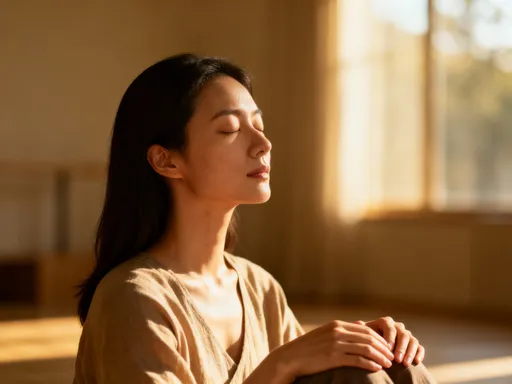
Breath is a bridge between the body and mind. In TCM, the lungs govern Qi and are closely linked to the emotion of grief, but breathwork also calms the heart and stabilizes the Shen. Diaphragmatic breathing—deep, slow breaths that expand the belly—activates the parasympathetic nervous system, reducing stress hormones and promoting relaxation. I began incorporating three minutes of deep breathing each morning and evening. I noticed that on days I practiced, I responded to challenges with greater patience. Over time, these small rituals became anchors in my day, offering moments of stillness amid life’s demands. Movement and breath are not luxuries—they are essential tools for emotional regulation.
Herbs and Acupuncture: When to Seek Professional Support
While lifestyle changes form the foundation of emotional balance, there are times when professional support is necessary. Traditional Chinese Medicine offers powerful tools like herbal formulas and acupuncture to help reset the body’s energetic system. These are not quick fixes but part of a guided process that addresses underlying imbalances. It is essential to work with a licensed TCM practitioner who can tailor treatment to individual needs, as self-prescribing herbs can be ineffective or even harmful.
One of the most commonly used herbs for liver Qi stagnation is Chai Hu (Bupleurum), which helps regulate liver function and relieve emotional tension. It is often combined with other herbs like Bai Shao (white peony root), which nourishes the blood and soothes irritability, or Fu Ling (poria), which supports the spleen and calms the mind. These formulas are not sedatives; they work by restoring harmony so the body can regulate itself. I began taking a customized herbal blend under my practitioner’s guidance, and within weeks, I noticed improved sleep, reduced PMS symptoms, and a greater sense of emotional clarity.
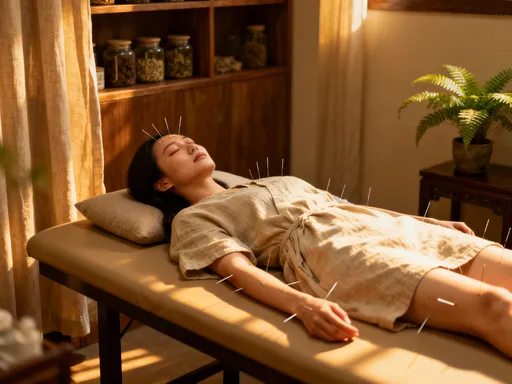
Acupuncture is another powerful modality. By inserting fine needles into specific points along the meridians, it helps unblock stagnant Qi and restore flow. Many people report feeling deeply relaxed during and after sessions, with improvements in mood, sleep, and digestion. I was initially hesitant, but my first session left me feeling as though a weight had been lifted. Over time, regular treatments helped regulate my menstrual cycle and reduce chronic tension. Acupuncture does not erase emotions—it helps the body process them more efficiently. These therapies are not replacements for self-care but complements to it, offering deeper support when needed.
Building a Sustainable Emotional Care Routine
True emotional wellness is not achieved through occasional self-care treats but through consistent, daily practices that honor the body’s natural rhythms. In Traditional Chinese Medicine, health is not the absence of symptoms but the presence of balance. This means aligning sleep, meals, and activity with the body’s internal clock. Waking with the sun, eating the largest meal at midday, and winding down by early evening supports the organs and stabilizes mood. I began going to bed by 10 p.m. and noticed immediate improvements in my energy and emotional resilience.
Equally important is emotional honesty. TCM teaches that suppressing emotions creates internal blockages, while acknowledging and expressing them—appropriately—allows for release. I started a simple daily check-in: each evening, I asked myself, “What did I feel today? Where did I feel it in my body?” This practice helped me recognize patterns and respond with compassion rather than judgment. Small moments of awareness add up. Over time, I became less reactive and more responsive.
The shift was not overnight. It required patience, repetition, and self-kindness. But gradually, calm became less of a rare escape and more of a steady undercurrent in my life. I no longer saw emotions as problems to fix but as valuable signals guiding me toward balance. This is not a cure—it is a lifelong practice rooted in awareness, rhythm, and deep respect for the body’s wisdom. By listening, honoring, and nurturing myself, I found not just relief, but a renewed sense of peace.
True emotional wellness isn’t about suppressing feelings—it’s about understanding them as signals. Through TCM, I learned to listen to my body, honor my energy, and create a life where calm isn’t rare, but routine. This isn’t a cure, but a lifelong practice—one rooted in balance, awareness, and deep self-respect.