Low Sugar, Big Mistakes: What No One Tells You About Smart Food Pairing
Starting a low-sugar diet? You're not alone. But many people struggle—not because they lack willpower, but because they pair foods the wrong way. I learned this the hard way. Even healthy choices can spike your blood sugar when combined poorly. It’s not just about cutting sugar; it’s about building meals wisely. Let me share what actually works, based on real experience and science-backed insights. The truth is, food doesn’t act in isolation. What you eat together shapes how your body responds—especially when it comes to glucose and insulin. Understanding this can transform your health journey from frustrating to fulfilling.
The Hidden Sugar Trap in Everyday Meals
Many people believe that eliminating candy, soda, and desserts is enough to maintain a low-sugar lifestyle. While avoiding obvious sources of added sugar is essential, the real challenge lies in the hidden sugars present in foods commonly perceived as healthy. Items like flavored yogurt, store-bought granola, breakfast cereals, and even some protein bars often contain surprising amounts of sweeteners—sometimes exceeding recommended daily limits in a single serving. These hidden sugars are not always labeled clearly, especially when masked under names like cane juice, agave nectar, or fruit concentrate, which sound natural but behave like sugar in the body.
Yet even when added sugars are absent, blood glucose levels can still rise unexpectedly due to poor food pairing. For example, eating a plain banana with a bowl of whole-grain cereal may seem like a nutritious breakfast, but the combination of high-glycemic carbohydrates from both sources can lead to a rapid spike in blood sugar. This happens because the body breaks down these carbs quickly, especially when fiber, protein, or fat—nutrients that slow digestion—are missing. Without these moderating elements, glucose enters the bloodstream rapidly, prompting a sharp insulin response that can lead to energy crashes, increased hunger, and long-term metabolic strain.
Another common misstep is combining fruit with toast or bagels. While fruit contains natural sugars and beneficial nutrients, pairing it with refined grains accelerates glucose absorption. The result? A blood sugar surge followed by a crash, often within an hour or two. This cycle can leave individuals feeling fatigued, irritable, and craving more quick-energy foods—precisely what a low-sugar diet aims to prevent. Recognizing that even wholesome ingredients can become problematic when improperly combined is the first step toward smarter eating.
The key takeaway is not to fear fruit or whole grains, but to reconsider how they are served. By understanding that food interactions matter as much as individual ingredients, individuals can make choices that support stable energy and long-term health. Awareness of these hidden dynamics empowers people to move beyond surface-level sugar avoidance and adopt a more strategic approach to meal planning.
Why Food Pairing Matters More Than You Think
It’s not just what you eat—it’s how you combine it. The metabolic impact of a meal depends heavily on the interaction between macronutrients: carbohydrates, proteins, fats, and fiber. When consumed alone, carbohydrates—especially refined ones—are digested quickly, leading to rapid increases in blood glucose. However, when paired with protein, healthy fats, or fiber-rich foods, the rate of digestion slows significantly. This delay helps prevent sharp spikes in blood sugar and supports a more balanced insulin response, which is crucial for maintaining energy, managing weight, and reducing the risk of insulin resistance over time.
Think of fat and protein as the “brake pedal” for carbohydrate absorption. Just as brakes help control the speed of a car, these nutrients help regulate how fast glucose enters the bloodstream. For instance, adding a tablespoon of almond butter to an apple not only makes the snack more satisfying but also slows the release of fructose and glucose into the blood. Similarly, choosing whole eggs with toast instead of toast alone introduces high-quality protein and fats that buffer the glycemic effect of the bread. These small changes don’t eliminate carbs—they manage them more effectively.
Fiber plays a similar role, acting like a sponge that traps glucose and delays its absorption. Soluble fiber, found in foods like oats, legumes, and certain fruits, forms a gel-like substance in the digestive tract, further slowing the breakdown of carbohydrates. This is why steel-cut oats, which are higher in fiber than instant oats, have a gentler impact on blood sugar—even when both are cooked the same way. When fiber is combined with protein and fat, the stabilizing effect multiplies, creating a powerful trio for metabolic health.
The science behind this is well-documented. Studies have shown that meals balanced in macronutrients lead to lower post-meal glucose levels and improved satiety compared to carbohydrate-heavy meals. This doesn’t require complex calculations or strict diets—just mindful combinations. Over time, these patterns become second nature, helping individuals maintain steady energy, reduce cravings, and support long-term wellness without feeling deprived.
The Worst Low-Sugar Combos (And Why We Keep Making Them)
Despite good intentions, many popular meal combinations undermine low-sugar goals. These pairings are often celebrated in wellness culture and promoted by food marketing, making them easy to adopt without realizing their metabolic cost. One of the most common examples is oatmeal topped with banana and honey. While each ingredient has nutritional value—oats provide fiber, bananas offer potassium—combining them creates a high-carbohydrate, low-fat meal that digests quickly. Without added protein or healthy fats, this breakfast can cause a significant glucose spike, followed by a mid-morning energy slump and renewed hunger.
Another frequent offender is the smoothie bowl, often marketed as a superfood-packed, health-boosting meal. These colorful creations typically blend fruit, fruit juice, and sweetened granola or dried fruit, then are topped with coconut flakes, chocolate chips, or honey. While visually appealing and nutrient-dense in some ways, their overall glycemic load is often very high. Dried fruits, in particular, are concentrated sources of sugar—raisins and dates, for example, have much higher sugar density than their fresh counterparts. When blended into a liquid form, they are absorbed even faster, increasing the risk of insulin surges.
Salads are another area where well-meaning choices go awry. A large leafy green base may seem like a safe bet, but when drenched in bottled vinaigrettes that contain sugar, high-fructose corn syrup, or fruit purees, the meal becomes a hidden sugar bomb. Similarly, adding candied nuts, dried cranberries, or sweetened yogurt-based dressings turns a healthy salad into a high-glycemic dish. Even seemingly innocent additions like roasted sweet potatoes or beets, while nutritious, can elevate the carb content significantly when not balanced with adequate protein or fat.
Toast with jam or nut butter is another classic example. Whole-grain bread alone has a moderate glycemic index, but spreading it with jam—often made with added sugar—pushes the meal into high-glycemic territory. Even when using natural nut butters, if the bread is consumed in large quantities without additional fiber or protein, the effect on blood sugar can still be substantial. These habits persist because they are convenient, tasty, and socially normalized. Marketing reinforces them by labeling products as “natural,” “organic,” or “gluten-free,” which consumers often equate with “healthy,” regardless of actual sugar or carb content.
Recognizing these patterns is the first step toward change. It’s not about eliminating these foods entirely, but about rethinking how they are combined. With simple adjustments, these same meals can be transformed into balanced, blood-sugar-friendly options that support sustained energy and well-being.
Smart Swaps: Upgrading Your Plate Without Sacrifice
Transforming your meals doesn’t mean giving up flavor or satisfaction. It’s about making strategic upgrades that enhance nutrition while stabilizing blood sugar. The goal is progress, not perfection—and small changes can yield significant results. For example, instead of plain oatmeal with banana, try steel-cut oats cooked with cinnamon, topped with sliced banana, a spoonful of plain Greek yogurt, and a handful of walnuts. The protein from the yogurt and the healthy fats from the walnuts slow digestion, while the cinnamon may help improve insulin sensitivity. This version tastes rich and satisfying while having a much gentler effect on glucose levels.
Smoothies can also be redesigned for better balance. Instead of blending fruit juice with multiple sweet fruits, start with a base of unsweetened almond milk or water, add a handful of spinach or kale for fiber, include half a banana or a few berries, and mix in a source of protein such as plain Greek yogurt or a scoop of unflavored protein powder. Adding chia seeds or flaxseeds introduces omega-3 fatty acids and more fiber, further slowing sugar absorption. This approach maintains the convenience and appeal of a smoothie while turning it into a metabolically supportive meal.
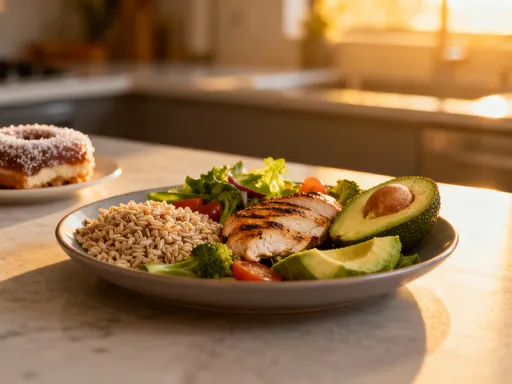
For salads, the key is dressing and toppings. Swap sugary bottled dressings for homemade versions using olive oil, vinegar, lemon juice, Dijon mustard, and herbs. These ingredients not only avoid added sugars but also contain compounds that may support metabolic health—such as acetic acid in vinegar, which has been shown in studies to help reduce post-meal glucose spikes. Choose toppings like grilled chicken, boiled eggs, avocado, pumpkin seeds, or chickpeas to add protein and fat. Even naturally sweet vegetables like roasted carrots or beets can be included in moderation when balanced with these stabilizing elements.
When it comes to toast, opt for whole-grain or sprouted varieties, which have a lower glycemic impact than refined bread. Spread it with natural almond or peanut butter—just check the label to ensure no sugar is added—and top with a few slices of apple or a poached egg. If using jam, choose a sugar-free version made with no added sweeteners, or better yet, use fresh fruit compote made by simmering berries with a pinch of cinnamon. These alternatives deliver flavor and texture without the blood sugar rollercoaster.
These swaps are not about restriction—they’re about enhancement. They allow individuals to enjoy familiar foods while making them work for, rather than against, their health goals. Over time, these choices become habits, leading to greater energy, fewer cravings, and improved metabolic markers.
Timing and Order: When You Eat Matters Too
Emerging research suggests that the sequence in which you eat your food can influence blood sugar levels as much as the food itself. This concept, known as “meal sequencing,” involves consuming certain components of a meal before others to optimize metabolic response. Studies have shown that eating vegetables first, followed by protein and fat, and saving carbohydrates for last can significantly reduce post-meal glucose spikes. This simple strategy works because fiber-rich vegetables and proteins stimulate the release of gut hormones that slow gastric emptying and improve insulin sensitivity.
For example, beginning a meal with a side salad or steamed broccoli creates a physical barrier in the stomach that delays the digestion of carbohydrates eaten later. When you then consume protein—such as grilled fish or chicken—it further slows the process, allowing glucose to enter the bloodstream gradually rather than all at once. This approach has been particularly effective in individuals with insulin resistance or prediabetes, helping them maintain more stable glucose levels throughout the day.
Meal timing also plays a role in metabolic health. While there is no one-size-fits-all answer to how many meals per day is ideal, consistency matters. Skipping meals, especially breakfast, can lead to overeating later and exaggerated glucose responses. On the other hand, eating too frequently without metabolic need may keep insulin levels elevated. A balanced approach—three main meals with one optional snack, spaced evenly—can support stable energy and prevent extreme hunger.
Some research also suggests that front-loading calories earlier in the day may benefit metabolic health. Eating a larger breakfast and a smaller dinner has been associated with better glucose control and improved weight management in clinical studies. This may be due in part to the body’s circadian rhythm, which regulates insulin sensitivity—typically higher in the morning and lower in the evening. Aligning eating patterns with this natural rhythm can enhance metabolic efficiency.
While meal timing and order are not substitutes for healthy food choices, they are powerful tools that enhance their impact. Incorporating these habits doesn’t require drastic changes—just a slight shift in routine. Over time, these small adjustments can lead to noticeable improvements in energy, mood, and long-term health.
Reading Between the Labels: Beyond the Sugar Count
Just because a product claims to be “low sugar” doesn’t mean it’s safe for blood glucose management. Many processed foods use alternative sweeteners or high-glycemic carbohydrates that don’t register as sugar on the label but still raise blood glucose. Ingredients like maltodextrin, rice syrup, barley malt, and fruit juice concentrate are often added to “health” foods and can have a greater glycemic impact than table sugar. Even natural-sounding terms like “evaporated cane juice” or “coconut sugar” are still forms of sugar and should be consumed mindfully.
To make informed choices, it’s essential to look beyond the front-of-package claims and examine the full nutrition facts panel and ingredient list. Focus on total carbohydrates and fiber, not just sugar. A better indicator of a food’s metabolic effect is its net carbohydrates—total carbs minus fiber. Foods high in fiber and low in net carbs are generally more blood-sugar-friendly. For example, a product with 30 grams of total carbs and 5 grams of fiber has 25 grams of net carbs, which is likely to have a greater impact than one with 20 grams of total carbs and 8 grams of fiber (12 grams net carbs).
The ingredient list should be scanned for hidden sources of fast-digesting carbs. The higher up a sugar or starch appears on the list, the more of it is in the product. Watch for terms like dextrose, maltose, corn syrup, and any word ending in “-ose,” which typically indicate sugars. Also be cautious of “natural flavors,” which can sometimes contain hidden sugar or sugar derivatives. Products labeled “whole grain” or “high fiber” are not automatically healthy—some are highly processed and contain added sugars to improve taste.
Understanding glycemic load—the measure of how much a food raises blood glucose, considering both quantity and quality of carbs—can also guide better choices. For instance, watermelon has a high glycemic index but a low glycemic load due to its high water and low carb content, making it safe in moderation. In contrast, white bread has both a high glycemic index and load, causing a significant spike. Learning to interpret these nuances helps individuals make smarter, more personalized food decisions.
Building a Sustainable Low-Sugar Lifestyle
Lasting change isn’t about rigid rules or perfection—it’s about creating flexible, repeatable patterns that support long-term health. A sustainable low-sugar lifestyle is built on balance, variety, and mindfulness. It means making informed choices most of the time while allowing room for enjoyment and flexibility. The goal is not to eliminate all sugar forever, but to reduce unnecessary spikes and build resilience in your metabolic system through consistent, smart habits.
One of the most powerful tools is self-observation. Paying attention to how you feel after meals—your energy levels, mental clarity, hunger cues, and mood—can provide valuable feedback. If you consistently feel sluggish or hungry an hour after eating, it may be a sign that your meal was too high in refined carbs or lacked sufficient protein and fat. Using this feedback to adjust future meals turns eating into a personal experiment, guided by your body’s responses rather than external rules.
Planning also plays a crucial role. Preparing balanced snacks—like hard-boiled eggs with vegetables, cottage cheese with berries, or hummus with cucumber slices—helps avoid impulsive choices when hunger strikes. Keeping healthy fats, proteins, and fiber-rich foods readily available makes it easier to make smart pairings, even on busy days. Cooking at home more often allows greater control over ingredients and combinations, reducing reliance on processed convenience foods.
Finally, it’s important to view this journey as a series of small, consistent improvements rather than an overnight transformation. Celebrate progress, not perfection. Each mindful meal is a step toward better metabolic health, greater energy, and improved well-being. Over time, these choices compound, leading to lasting benefits that go far beyond blood sugar control. Smart food pairing isn’t about restriction—it’s about empowerment, one thoughtful bite at a time.