Why Better Sleep Starts with How You Move
We all know sleep is essential, but few realize how deeply movement shapes its quality. I used to toss and turn no matter how tired I was—until I discovered the science-backed link between physical activity and restful nights. It’s not about intense workouts; it’s about timing, type, and consistency. What I tested changed my sleep for good. This isn’t a miracle fix, but a real, proven path to deeper rest through smarter movement.
The Hidden Connection Between Movement and Sleep
At the core of restful sleep lies a complex network of biological processes, many of which are directly influenced by physical movement. The body’s internal clock, known as the circadian rhythm, governs when we feel alert and when we feel sleepy. This rhythm responds powerfully to cues from daily activity. When you move regularly, especially during daylight hours, you reinforce the natural rise and fall of hormones like melatonin and cortisol, which regulate sleep and wakefulness. Physical activity helps signal to the brain that it’s been an active day, preparing the body for deeper rest when night comes.
Scientific research consistently supports this connection. Studies reviewed by the National Sleep Foundation show that individuals who engage in at least 30 minutes of moderate physical activity most days of the week report better sleep quality than those who are inactive. One major study published in the journal Sleep Medicine found that regular exercisers fell asleep faster and experienced fewer nighttime awakenings. The mechanism is clear: movement increases core body temperature during the day, and the subsequent drop in temperature several hours later acts as a biological signal that it’s time to sleep.
However, it’s important to understand that not all movement has the same effect. While moderate activity supports sleep, overly intense or poorly timed exercise can disrupt it. For example, pushing through a high-intensity workout too close to bedtime may elevate adrenaline and heart rate when the body should be winding down. The goal is not to exhaust yourself, but to align movement with your body’s natural rhythms. This balance ensures that physical activity supports, rather than interferes with, the sleep process.
Why Poor Sleep Isn’t Just About Your Mind
Many people assume that trouble sleeping stems from stress, anxiety, or overthinking. While emotional and mental health certainly play a role, focusing only on the mind overlooks a critical physical contributor: inactivity. A sedentary lifestyle—spending long hours sitting at a desk, in front of screens, or in the car—can disrupt the very systems that regulate sleep. When the body isn’t physically engaged during the day, it doesn’t experience the metabolic and neurological shifts needed to feel truly tired at night.
Consider a common scenario: someone sits for eight or more hours during the workday, eats dinner, and then tries to fall asleep. Despite feeling mentally drained, their body hasn’t been adequately activated. Without physical exertion, energy isn’t properly expended, and the brain doesn’t receive strong signals that it’s time to rest. This mismatch between mental fatigue and physical inactivity often leads to restlessness, delayed sleep onset, and light, fragmented sleep.
Additionally, prolonged sitting affects blood circulation, hormone balance, and even breathing patterns—all of which influence sleep quality. Poor posture and reduced lung capacity from inactivity can contribute to shallow breathing, making it harder to reach deep, restorative sleep stages. Movement helps reverse these effects by improving oxygen flow, supporting healthy metabolism, and enhancing nervous system regulation. Addressing sleep issues, therefore, must include attention to how the body moves—or doesn’t move—throughout the day.
The Right Kind of Movement Matters Most
Not all forms of physical activity have the same impact on sleep. The type of movement you choose plays a significant role in how well you rest. Research indicates that moderate aerobic exercise, such as brisk walking, cycling, or swimming, has one of the strongest positive effects on sleep onset and continuity. These activities increase heart rate just enough to stimulate the nervous system without causing excessive strain, making them ideal for promoting restful nights.
A study from the University of Georgia followed sedentary adults who began walking for 30 minutes three times a week. After just six weeks, participants reported falling asleep faster and feeling more refreshed in the morning. The benefits were even greater when walking was done outdoors, likely due to exposure to natural light, which further supports circadian alignment. Resistance training, such as lifting weights or using resistance bands, also contributes to better sleep by building muscle mass and improving metabolic health, both of which support stable energy levels and hormonal balance.
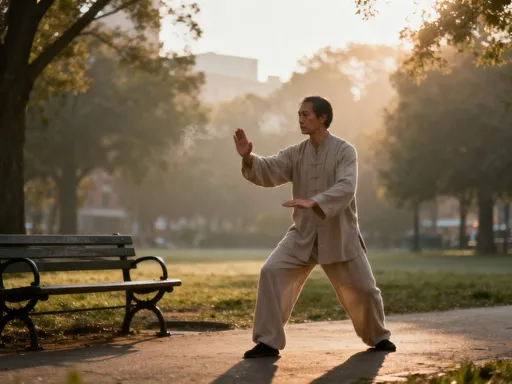
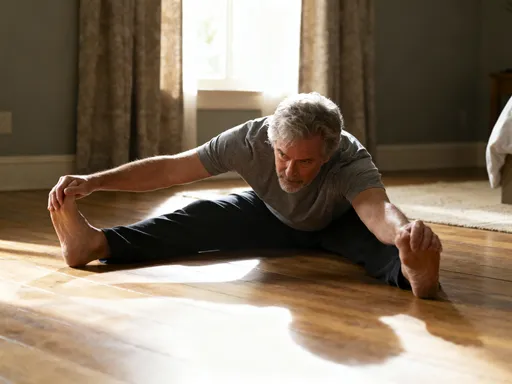
Flexibility and relaxation-based movements, like yoga and stretching, are equally valuable. These practices reduce muscle tension and calm the nervous system, making it easier to transition into sleep. Gentle evening stretches or a short bedtime yoga routine can signal to the body that it’s time to slow down. The key is consistency over intensity. A daily 20-minute walk is more effective for sleep than an occasional hour-long run followed by days of inactivity. Sustainable habits, not extreme efforts, create lasting improvements in rest.
Timing Is Everything: When to Move for Better Rest
The benefits of movement on sleep are not only determined by what you do, but when you do it. Chronobiology, the study of biological rhythms, reveals that the timing of physical activity can either enhance or interfere with sleep. Morning and early afternoon are generally the best times to exercise for optimal rest. Working out in the morning helps reset the circadian clock by exposing the body to movement and light early in the day, reinforcing the natural wake-sleep cycle.
Exercising between 7 a.m. and 2 p.m. has been associated with improved sleep efficiency, meaning more time spent in actual sleep rather than lying awake in bed. This window allows the body to experience the energizing effects of exercise during waking hours while still benefiting from the post-exercise drop in body temperature later in the evening. That cooling effect, which begins a few hours after physical activity ends, mimics the natural decline in core temperature that occurs before sleep, helping the body transition more smoothly into rest.
In contrast, vigorous exercise within one to two hours of bedtime may hinder sleep for some individuals. High-intensity workouts elevate heart rate, body temperature, and stress hormones like cortisol and adrenaline, which can delay the onset of sleep. While some people tolerate evening exercise well, others find it too stimulating. If you prefer to be active later in the day, it’s best to choose low-impact activities such as gentle stretching, restorative yoga, or a leisurely walk. These forms of movement promote relaxation without overactivating the nervous system.
Simple Daily Habits That Build Sleep-Ready Bodies
Improving sleep through movement doesn’t require a gym membership or hours of training. Small, intentional changes in daily behavior can have a meaningful impact. One of the most effective strategies is increasing non-exercise activity thermogenesis (NEAT)—the energy your body burns through everyday movements like standing, walking, and fidgeting. Unlike structured workouts, NEAT integrates naturally into your routine and contributes to better sleep without adding stress or time demands.
For example, taking a 10-minute walk after each meal can improve digestion, stabilize blood sugar, and support circadian regulation. Standing up every hour during a workday, even for just two minutes, helps reset posture, improve circulation, and prevent the stiffness that can make it harder to relax at night. Simple habits like parking farther from store entrances, using stairs instead of elevators, or doing light stretching while watching television all add up to create a more active lifestyle.
Parents, office workers, and individuals with limited mobility can still benefit from adapted strategies. Seated leg lifts, shoulder rolls, or ankle circles can be done while working or watching TV. Gentle chair yoga or breathing exercises can be practiced in the evening to prepare the body for sleep. The goal is not to achieve peak fitness, but to keep the body engaged and responsive throughout the day. Over time, these small movements help regulate energy, reduce physical tension, and create the physiological conditions for deeper, more consistent sleep.
What Science Says About Movement and Sleep Stages
Sleep is not a uniform state—it consists of multiple stages, each serving a unique purpose in restoration and brain function. Two of the most critical phases are slow-wave sleep (also known as deep sleep) and rapid eye movement (REM) sleep. Deep sleep is essential for physical recovery, immune function, and memory consolidation, while REM sleep supports emotional regulation and cognitive processing. Research shows that regular physical activity enhances both of these stages, leading to more restorative rest.
A review published in the journal Progress in Cardiovascular Diseases analyzed multiple studies and found that individuals who exercised regularly spent more time in deep sleep and experienced fewer disruptions during the night. This is particularly important for middle-aged and older adults, as natural declines in deep sleep can contribute to fatigue, brain fog, and weakened immunity. By maintaining a consistent movement routine, it’s possible to preserve healthier sleep architecture well into later years.
Physical activity also plays a role in reducing symptoms of sleep-disordered breathing, such as obstructive sleep apnea. Exercise strengthens the muscles of the airway, improves lung capacity, and helps with weight management—three factors that contribute to clearer breathing during sleep. Even modest weight loss achieved through regular walking and strength training has been linked to reduced apnea severity and improved oxygen saturation levels. While exercise is not a standalone cure for sleep apnea, it is a powerful complementary strategy that supports overall respiratory and cardiovascular health.
Building a Sustainable Routine Without Burnout
The most effective movement plan for better sleep is one that fits your life, not one that overwhelms it. Many people start with enthusiasm but quickly lose motivation when routines become too rigid or demanding. The key to long-term success is personalization and flexibility. Begin by assessing your current activity level and identifying small, realistic changes you can make. If you’re new to regular movement, start with 10 to 15 minutes of walking each day and gradually increase duration as it becomes a habit.
Listen to your body’s signals. Some days you may feel energetic and capable of more activity; other days, rest or gentle movement may be more appropriate. Overtraining—pushing too hard, too often—can increase inflammation, elevate stress hormones, and actually impair sleep. This is especially true for women over 40, whose hormonal fluctuations can make recovery more sensitive. Balance is essential: challenge your body enough to stimulate improvement, but not so much that it triggers stress.
Track progress in ways that matter—not just steps or calories, but how you feel. Are you falling asleep more easily? Waking up less during the night? Feeling more alert during the day? These are the real indicators of success. Celebrate small wins and adjust your routine as life changes. Whether it’s adjusting your schedule during busy seasons, modifying exercises due to weather, or finding new ways to stay active with family, adaptability ensures that your movement practice remains sustainable and enjoyable.
Improving sleep doesn’t start at bedtime—it starts with the choices we make throughout the day. Movement is not just about fitness; it’s a powerful tool for regulating one of our most vital functions. By aligning our activity with our body’s natural rhythms, we build a foundation for lasting sleep quality. This isn’t about perfection, but progress—each step, stretch, or walk brings us closer to nights of deeper, more restorative rest.